
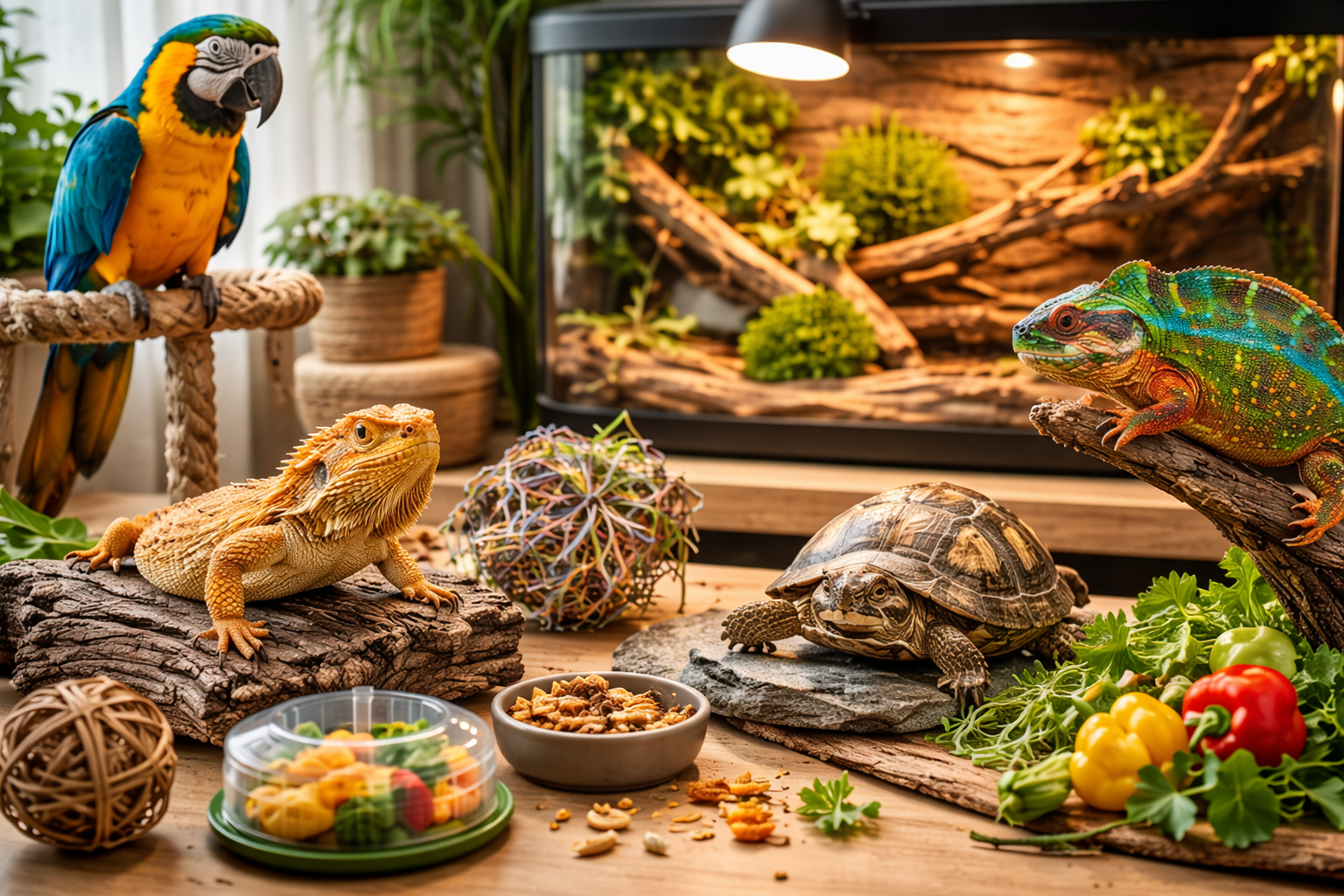
When the Cute Phase Fades: How to Prevent Exotic Pet Abandonment and Build Lifelong Enrichment
Exotic animals often enter human homes during a moment of fascination. Their unusual appearance, rare behaviors, or social media popularity can make them irresistible. However, for many owners, the excitement fades faster than expected. This phenomenon, often called the “second-year slump,” is one of the leading causes of neglect, rehoming, or abandonment of exotic pets. Understanding why this happens and how to prevent it is essential for anyone considering or already caring for an exotic animal.
The Hidden Commitment Behind Exotic Pets
Unlike cats or dogs, exotic animals rarely show affection in ways humans instinctively recognize. Reptiles, birds, amphibians, and small mammals often express comfort through subtle behaviors that require education to interpret. When owners expect constant interaction or visible bonding, disappointment can set in. Over time, daily care begins to feel like a chore rather than a privilege.
Many exotic species also have long lifespans. Parrots can live for decades, tortoises for generations, and some reptiles easily outlive their owners’ original life plans. What begins as a novelty purchase can become a responsibility that spans career changes, moves, relationships, and financial shifts.
Why the Second-Year Slump Happens
The first year of ownership is usually filled with learning, setup, and excitement. Enclosures are optimized, diets are researched, and progress is closely observed. By the second year, routines become repetitive. Veterinary bills may increase, animals reach less “cute” adult stages, and behavioral challenges emerge.
Another major factor is unmet enrichment needs. Exotic animals evolved to spend most of their time foraging, exploring, flying, burrowing, or hunting. When their environment becomes predictable, boredom and stress develop. This can lead to repetitive behaviors, aggression, lethargy, or health decline, which further discourages owners.
Understanding Enrichment as a Long-Term Strategy
Enrichment is not an accessory—it is a core requirement of ethical exotic animal care. Effective enrichment evolves as the animal ages and adapts to changing physical and cognitive abilities.
For reptiles, enrichment may include changing terrain, introducing new climbing structures, adjusting light gradients, or offering scent-based feeding challenges. For birds, rotating toys, teaching foraging skills, and encouraging flight or problem-solving are essential. Small mammals benefit from digging substrates, tunnels, and variable feeding schedules that simulate natural scarcity and discovery.
Long-term enrichment also means planning ahead. Seasonal changes, growth stages, and health conditions should influence how environments are structured. Owners who plan enrichment calendars are far more likely to stay engaged and emotionally invested.
Preventing Emotional Detachment
Neglect often begins emotionally before it becomes physical. When owners stop observing their animals closely, they miss early signs of stress or illness. Rebuilding connection starts with curiosity. Learning species-specific behavior, tracking changes, and setting small observation goals can renew interest.
Education plays a powerful role. Owners who continue learning—through reputable books, scientific updates, or experienced keepers—tend to view their animals as complex individuals rather than static displays. This mindset shift reduces impulsive rehoming decisions.
Financial and Lifestyle Realities
Many exotic pets are surrendered when owners face unexpected costs or life changes. Responsible ownership includes emergency planning, long-term budgeting, and realistic assessments of future mobility. Animals that require large enclosures, specialized climate control, or limited housing options are especially vulnerable.
Some experienced owners create contingency plans that include trusted caregivers, rescue organizations, or species-specific sanctuaries. Knowing there is a responsible backup option reduces panic-driven abandonment.
Ethical Ownership Beyond the First Year
True commitment to an exotic animal means accepting that enthusiasm will fluctuate. Ethical ownership is defined not by constant excitement, but by consistency. It involves providing care even when the animal is less interactive, more demanding, or simply familiar.
Exotic animals are not decorative objects or temporary experiences. They are sentient beings with biological and psychological needs that persist long after novelty fades. Preventing abandonment requires honesty before acquisition, adaptability during ownership, and respect for the animal’s full lifespan.
By reframing exotic pet care as a long-term partnership rather than a phase, owners can avoid the second-year slump and provide environments where these unique animals can truly thrive.