
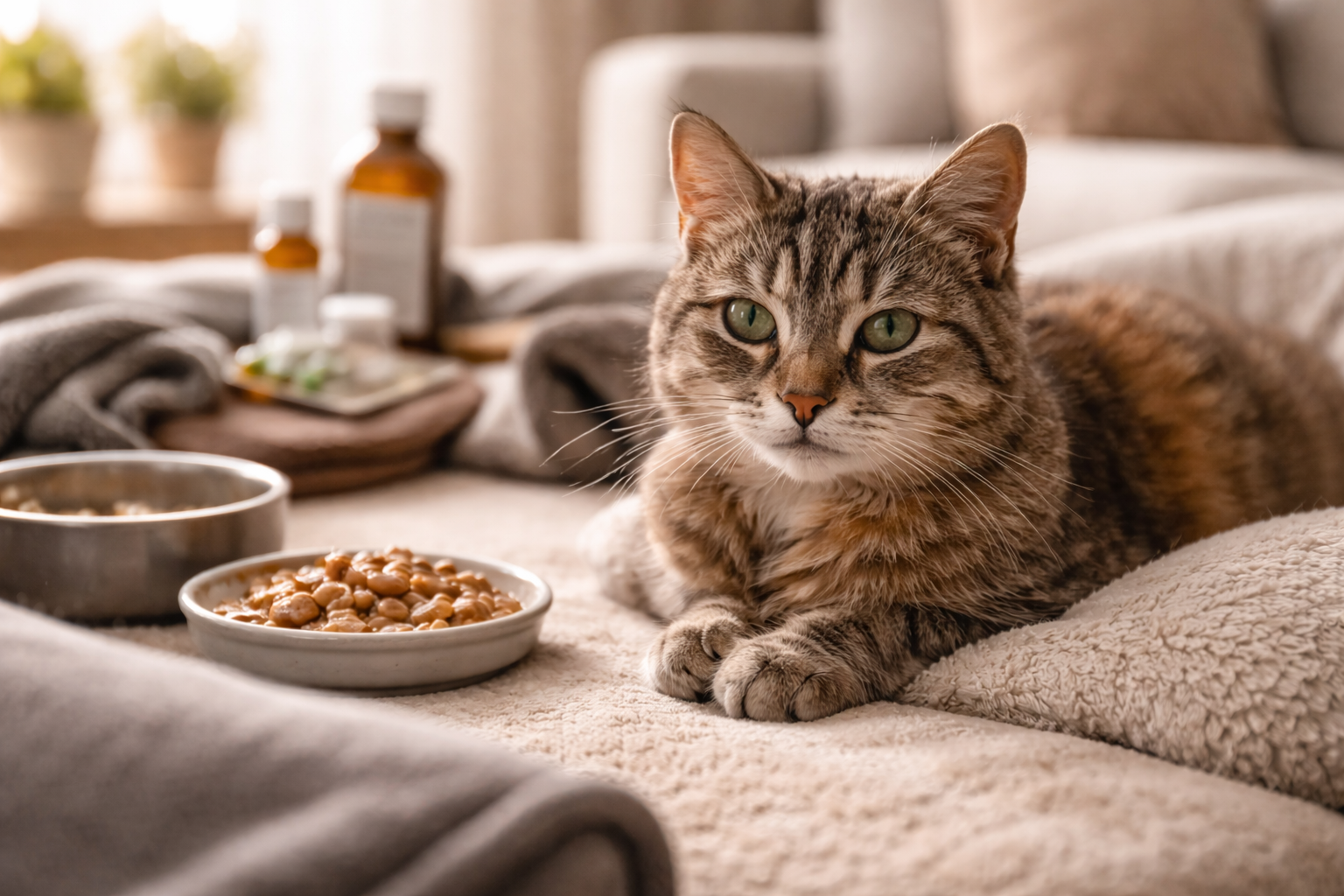
The Impact of Aging on Cats: From 10 to 20 Years — Health, Activity, and Care Changes
As cats enter their senior years, aging becomes a gradual but influential process that affects nearly every aspect of their lives. While many cats live well into their late teens and even early twenties, the period from 10 to 20 years brings noticeable changes in health, behavior, and daily needs. Understanding these shifts allows owners to provide care that supports comfort, dignity, and quality of life throughout a cat’s later stages.
Around the age of ten, most cats are considered senior, even if they still appear energetic and playful. Internally, however, subtle changes begin to occur. Metabolism slows, muscle mass gradually decreases, and the body becomes less efficient at repairing itself. Cats at this age may sleep more deeply, take longer to recover after activity, and show less interest in high-energy play. These changes are natural and not necessarily signs of illness, but they do mark the beginning of a new care phase.
Health concerns become more common as cats age. Kidney disease is one of the most frequently diagnosed conditions in older cats, often developing slowly over several years. Early signs can be subtle, such as increased thirst or more frequent urination. Dental disease also progresses with age, potentially causing pain, appetite changes, and systemic health issues if untreated. Arthritis is another common but underrecognized problem, as cats are skilled at masking discomfort. Reduced jumping, stiffness after rest, or hesitation when climbing may indicate joint pain rather than simple aging.
Between the ages of 12 and 15, many cats experience more noticeable shifts in activity and behavior. Play may become shorter and less intense, while rest periods lengthen. Some cats seek warmth more frequently, choosing sunny spots or heated surfaces. Grooming habits may change as flexibility decreases, leading to matting or less thorough coat care. At the same time, some senior cats become more vocal or clingy, seeking reassurance as their sensory perception gradually declines.
Nutrition plays a critical role in supporting aging cats. Older bodies process nutrients differently, and maintaining muscle mass becomes increasingly important. Diets formulated for senior cats often focus on high-quality protein, controlled phosphorus levels, and enhanced digestibility. Appetite changes are common, and weight loss should never be ignored, as it can signal underlying disease. Hydration is especially important, as older cats are more prone to dehydration due to reduced kidney efficiency.
Veterinary care becomes increasingly essential from the mid-senior years onward. While younger cats may thrive with annual checkups, older cats benefit from more frequent monitoring. Blood work, urine analysis, blood pressure checks, and dental evaluations help detect age-related conditions before symptoms become severe. Early intervention can slow disease progression and significantly improve comfort and longevity.
As cats reach advanced age, typically 16 to 20 years, care priorities shift toward comfort and stability. Mobility may be limited, making environmental adjustments important. Lower-sided litter boxes, easy access to favorite resting spots, and non-slip surfaces reduce physical strain. Cognitive changes may appear, including disorientation, altered sleep patterns, or changes in social interaction. These signs are often associated with feline cognitive dysfunction, a condition similar to age-related decline in humans.
Emotional well-being remains just as important as physical health in elderly cats. Routine provides security, and sudden changes in environment or schedule can cause stress. Gentle interaction, predictable feeding times, and familiar surroundings help senior cats feel safe. Many older cats continue to enjoy affection, quiet companionship, and brief moments of play tailored to their energy level.
Aging in cats is not a single moment but a long, evolving process. From 10 to 20 years, their needs change gradually, requiring observation, adaptation, and compassion. With attentive care, appropriate veterinary support, and an environment designed for comfort, cats can enjoy their later years with grace and contentment. Aging does not diminish a cat’s value or personality; it simply reveals a quieter, more delicate chapter that deserves patience and respect.