
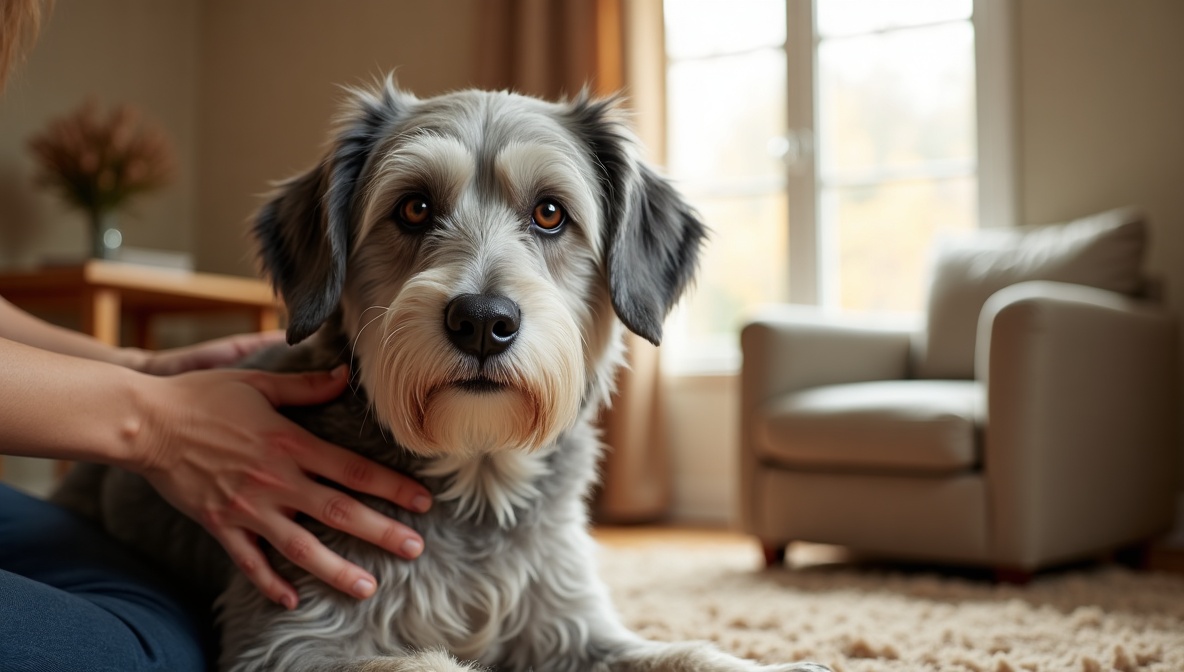
Caring for Senior Dogs: Adapting the Home, Nutrition, Activity, and Daily Routines for Comfort and Quality of Life
As dogs grow older, their needs begin to change in ways that are often subtle at first but become increasingly important over time. A senior dog may no longer run as fast, jump as high, or recover as quickly as it once did. Just like humans, aging dogs experience physical and cognitive changes that require adjustments in their environment, diet, exercise routines, and social interactions. With thoughtful care and attention, owners can help their aging companions remain comfortable, healthy, and emotionally fulfilled throughout their senior years.
Understanding how to support an older dog is not simply about addressing health problems. It is about creating a lifestyle that respects the dog’s changing abilities while preserving its dignity, confidence, and enjoyment of daily life.
Understanding the Aging Process in Dogs
The age at which a dog is considered a senior depends largely on breed and size. Larger breeds tend to age more quickly and may enter their senior years around six or seven years of age, while smaller breeds may not be considered seniors until ten years or older.
As dogs age, several natural changes occur. Muscle mass may gradually decrease, joints can become stiffer, hearing and vision may decline, and metabolism often slows down. Some dogs develop arthritis, dental problems, or age-related cognitive changes that affect memory and behavior.
These changes do not happen overnight. Owners who recognize early signs of aging are often able to make adjustments that improve comfort and prevent unnecessary stress for their pets.
Creating a Senior-Friendly Home Environment
One of the most effective ways to support an elderly dog is by adapting the home environment. What once seemed easy for a younger dog may become difficult or even painful with age.
Hardwood floors, tile surfaces, and stairs can present challenges for dogs experiencing reduced mobility. Slipping may increase the risk of injury and contribute to anxiety. Adding rugs, non-slip mats, or carpet runners can help provide secure footing and make movement easier.
Comfortable bedding becomes increasingly important as dogs age. Orthopedic dog beds designed to support aging joints can reduce pressure points and improve sleep quality. Beds should be placed in quiet areas that remain easily accessible without requiring the dog to climb stairs or jump onto furniture.
Food and water bowls may also benefit from adjustment. Elevated feeding stations can reduce strain on the neck and joints, particularly for larger senior dogs. Easy access to fresh water throughout the day supports hydration and overall health.
Lighting should not be overlooked. Older dogs with declining vision may navigate more confidently when pathways, sleeping areas, and outdoor access points are well illuminated.
Nutrition for the Aging Dog
Diet plays a central role in maintaining health during a dog’s senior years. As metabolism changes, nutritional requirements often shift. Older dogs may need fewer calories while still requiring high-quality protein to support muscle maintenance.
Weight management becomes particularly important. Excess body weight places additional stress on aging joints and can worsen mobility issues. At the same time, excessive weight loss may indicate underlying health concerns that require veterinary attention.
Senior-specific diets often include ingredients designed to support joint health, digestive function, and cognitive well-being. Nutrients such as omega-3 fatty acids, antioxidants, glucosamine, and chondroitin are commonly incorporated into foods formulated for older pets.
Meal schedules should remain consistent. Predictable feeding times provide structure and may help reduce anxiety, especially for dogs experiencing mild cognitive changes. Fresh water should always be available, as some senior dogs become more susceptible to dehydration.
Regular veterinary consultations are essential when evaluating dietary needs because individual health conditions can significantly influence nutritional recommendations.
Maintaining Appropriate Physical Activity
Many owners mistakenly assume that senior dogs no longer require exercise. While activity levels often need adjustment, regular movement remains vital for physical and mental health.
Exercise helps maintain muscle strength, supports joint flexibility, promotes cardiovascular health, and contributes to emotional well-being. The key is finding the appropriate balance between activity and recovery.
Long, intense exercise sessions may become less suitable for aging dogs. Instead, shorter and more frequent walks often provide greater benefits. Gentle movement encourages circulation without placing excessive strain on joints and muscles.
Swimming can be particularly beneficial for some senior dogs because it provides low-impact exercise that supports mobility while minimizing joint stress. However, individual abilities and health conditions should always be considered.
Owners should pay close attention to signs of fatigue, discomfort, or reluctance to move. Activity plans should adapt to the dog’s changing capabilities rather than attempting to maintain the same routines used during younger years.
Social Rhythms and Emotional Well-Being
Aging affects not only the body but also emotional and social needs. Many senior dogs continue to enjoy companionship and interaction, although they may prefer calmer and more predictable environments.
Consistent daily routines provide a sense of security. Regular meal times, walks, rest periods, and social interactions help create stability and reduce stress. Sudden changes in schedule can be more disruptive for older dogs than for younger ones.
Gentle social engagement remains important. Time spent with family members, relaxed play sessions, and positive interactions contribute to emotional health. Some senior dogs become more affectionate and seek increased physical closeness as they age.
Mental stimulation should also remain part of daily life. Puzzle toys, scent games, training exercises, and opportunities for exploration help keep the mind active. Cognitive engagement may support brain function and reduce boredom.
Owners should also be attentive to behavioral changes. Increased confusion, altered sleep patterns, anxiety, or disorientation may indicate age-related cognitive decline that deserves veterinary evaluation.
Supporting Comfort in Everyday Life
Comfort becomes a central focus in senior dog care. Small adjustments often have a significant impact on quality of life.
Temperature regulation may become more challenging with age. Providing warm sleeping areas during colder months and cool resting spaces during hot weather can help older dogs remain comfortable.
Regular grooming contributes to physical well-being by preventing matting, monitoring skin health, and maintaining cleanliness. Nail trimming is especially important because overgrown nails can affect posture and mobility.
Routine veterinary visits become increasingly valuable during the senior years. Early detection of health concerns often leads to more effective management and improved outcomes. Many age-related conditions can be successfully controlled when identified promptly.
Most importantly, owners should observe their dogs closely. Every senior dog ages differently. Adjustments should reflect individual needs rather than relying solely on age-based expectations.
Conclusion
Caring for a senior dog involves more than managing the effects of aging. It requires creating an environment that supports comfort, independence, and emotional well-being. By adapting the home, providing appropriate nutrition, maintaining balanced activity levels, respecting social rhythms, and prioritizing everyday comfort, owners can help their aging companions enjoy a fulfilling and dignified life.
The senior years often strengthen the bond between dogs and their families. With patience, understanding, and thoughtful care, older dogs can continue to experience joy, security, and companionship long after their youthful energy has faded.