
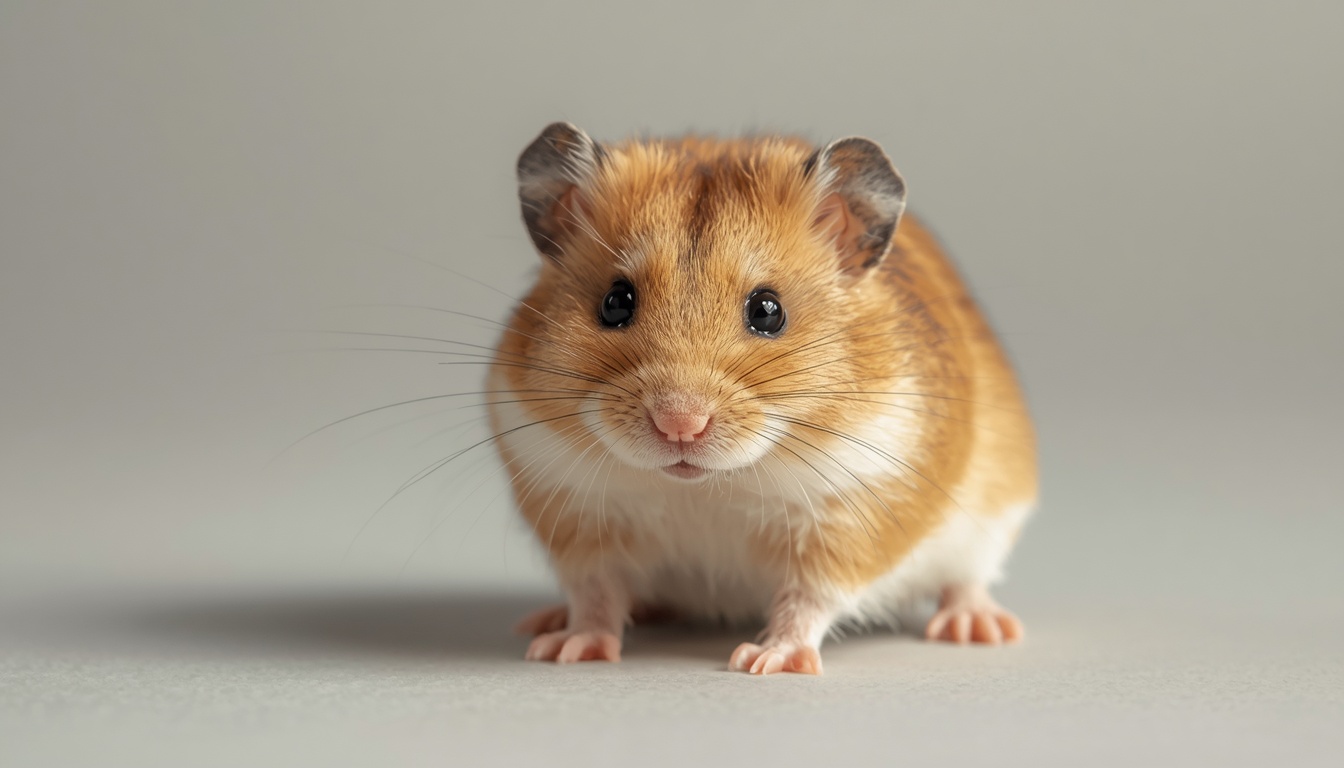
Psychological Health in Small Rodents: How Stress Manifests in Hamsters and Rats
When people think about pet health, they often focus on physical well-being. Proper nutrition, clean housing, regular veterinary care, and exercise are all essential components of responsible pet ownership. However, psychological health is equally important, especially for intelligent and sensitive animals such as hamsters and rats. Although small rodents may not express emotions in the same ways as dogs or cats, they are capable of experiencing stress, fear, boredom, and anxiety.
Because these animals are prey species in the wild, they have evolved to hide signs of weakness whenever possible. As a result, stress-related problems can go unnoticed until behavioral changes become obvious. Understanding the psychological needs of hamsters and rats allows owners to identify early warning signs and create environments that support both mental and physical well-being.
Why Psychological Health Matters
Mental health directly influences many aspects of an animal’s life. Chronic stress can affect appetite, sleep patterns, immune function, social behavior, and overall quality of life. In severe cases, prolonged psychological distress may contribute to physical illness and shorten lifespan.
Hamsters and rats rely heavily on environmental stimulation and a sense of security. When their needs are not met, stress can develop gradually. Unlike larger pets that may vocalize discomfort more clearly, rodents often communicate through subtle changes in behavior. Learning to recognize these changes is an important part of responsible care.
Common Causes of Stress in Hamsters
Hamsters are naturally solitary and territorial animals. They value predictable environments and secure hiding places. Sudden changes can be particularly stressful.
One common source of stress is inadequate enclosure size. Small cages restrict natural behaviors such as exploring, digging, and foraging. A hamster that cannot engage in these activities may become frustrated or inactive.
Frequent disturbances can also create problems. Constant handling, loud noises, bright lighting, or repeated interruptions during daytime sleeping hours may contribute to chronic stress. Since most pet hamsters are nocturnal or crepuscular, they require periods of uninterrupted rest.
Environmental instability is another factor. Frequent cage rearrangements, changes in location, or exposure to predators such as cats and dogs can create a persistent sense of insecurity.
Common Causes of Stress in Rats
Rats are highly social animals with remarkable intelligence and emotional complexity. Unlike hamsters, rats generally thrive when housed with compatible companions. Isolation is one of the most significant sources of stress for pet rats.
A lack of mental stimulation can also negatively affect psychological well-being. Rats enjoy exploring, solving simple challenges, interacting with their environment, and engaging with their human caregivers. Boredom can develop when opportunities for enrichment are limited.
Unpredictable routines, insufficient space, overcrowding, and conflict between cage mates may also contribute to elevated stress levels. Because rats are naturally curious and active, environments that fail to meet these behavioral needs can lead to frustration and anxiety.
Apathy as a Sign of Psychological Distress
One of the most concerning signs of stress in small rodents is apathy. A previously active hamster may spend unusually long periods hiding or sleeping. A rat that normally explores its surroundings may lose interest in social interaction and environmental enrichment.
Apathy is not simply laziness. It often reflects a decline in motivation caused by chronic stress, illness, or poor environmental conditions. Animals experiencing psychological distress may appear withdrawn, unresponsive, or less curious about activities they once enjoyed.
Because apathy can also indicate medical problems, any sudden or persistent change in activity levels should be taken seriously. Observing behavior over time helps owners distinguish normal rest from concerning withdrawal.
Changes in Eating Habits
Stress frequently affects appetite in both hamsters and rats. Some animals may eat significantly less than usual, while others may begin hoarding food excessively without actually consuming it.
Reduced food intake can quickly become dangerous for small rodents due to their high metabolic rates. Weight loss, decreased energy, and nutritional deficiencies may develop if appetite remains suppressed for an extended period.
In some cases, stress can alter food preferences. An animal that normally eats a balanced diet may begin selectively choosing only certain foods while ignoring others. This behavior may indicate discomfort or anxiety rather than simple pickiness.
Monitoring food consumption regularly allows owners to identify changes early and seek appropriate veterinary guidance when necessary.
Repetitive and Unusual Behaviors
Chronic stress can sometimes lead to repetitive behaviors known as stereotypies. These actions serve no obvious purpose and may indicate poor welfare.
Hamsters may repeatedly climb cage bars, pace along the same route, or engage in excessive digging against enclosure walls. Rats may display repetitive grooming, constant chewing on cage bars, or compulsive movement patterns.
These behaviors often emerge when animals are unable to express natural behaviors or when their environments fail to provide sufficient stimulation. Although stereotypic behaviors may appear harmless initially, they often signal underlying psychological needs that require attention.
The Role of Environmental Enrichment
Providing appropriate enrichment is one of the most effective ways to support mental health in small rodents.
For hamsters, enrichment may include deep bedding for burrowing, tunnels, hideouts, chew toys, exercise wheels, and opportunities to forage for food. These activities allow hamsters to engage in behaviors that are important to their psychological well-being.
Rats benefit from a wide variety of enrichment options. Climbing structures, hammocks, puzzle feeders, tunnels, and social interaction all contribute to a stimulating environment. Regular supervised exploration outside the enclosure can also provide valuable mental stimulation.
Enrichment should be varied periodically to maintain interest while avoiding excessive disruption to the animal’s sense of familiarity and security.
Building a Stress-Reducing Environment
Creating a stable and predictable environment can significantly reduce stress levels. Consistent feeding schedules, regular cleaning routines, and appropriate lighting help establish a sense of security.
Housing should be located in a relatively quiet area away from constant disturbances. Sudden loud sounds, vibrations, and excessive handling can increase anxiety, particularly in sensitive individuals.
For rats, maintaining compatible social groups is essential. Social interaction is a fundamental psychological need, and companionship often contributes to greater confidence and emotional stability.
Owners should also respect individual personalities. Some animals enjoy frequent interaction, while others prefer a more reserved approach. Understanding and accommodating these differences promotes trust and reduces unnecessary stress.
When to Seek Veterinary Advice
Behavioral changes should never be automatically attributed to stress alone. Many medical conditions can produce symptoms similar to those associated with psychological distress.
Apathy, weight loss, appetite changes, unusual grooming, and altered activity levels may indicate illness, pain, or injury. If symptoms persist, worsen, or appear suddenly, veterinary evaluation is important.
A veterinarian experienced with small mammals can help determine whether behavioral changes are related to physical health issues, environmental factors, or a combination of both.
Conclusion
Psychological health plays a crucial role in the overall well-being of hamsters and rats. Although these small animals often conceal signs of distress, stress can manifest through apathy, changes in eating habits, repetitive behaviors, and reduced engagement with their surroundings.
By understanding the psychological needs of small rodents and providing appropriate housing, enrichment, social opportunities, and stability, owners can help prevent many stress-related problems before they develop. Careful observation and a commitment to meeting both physical and emotional needs allow these intelligent and fascinating animals to thrive.
A healthy hamster or rat is not only physically well cared for but also mentally stimulated, secure, and able to express the natural behaviors that contribute to a fulfilling life.