
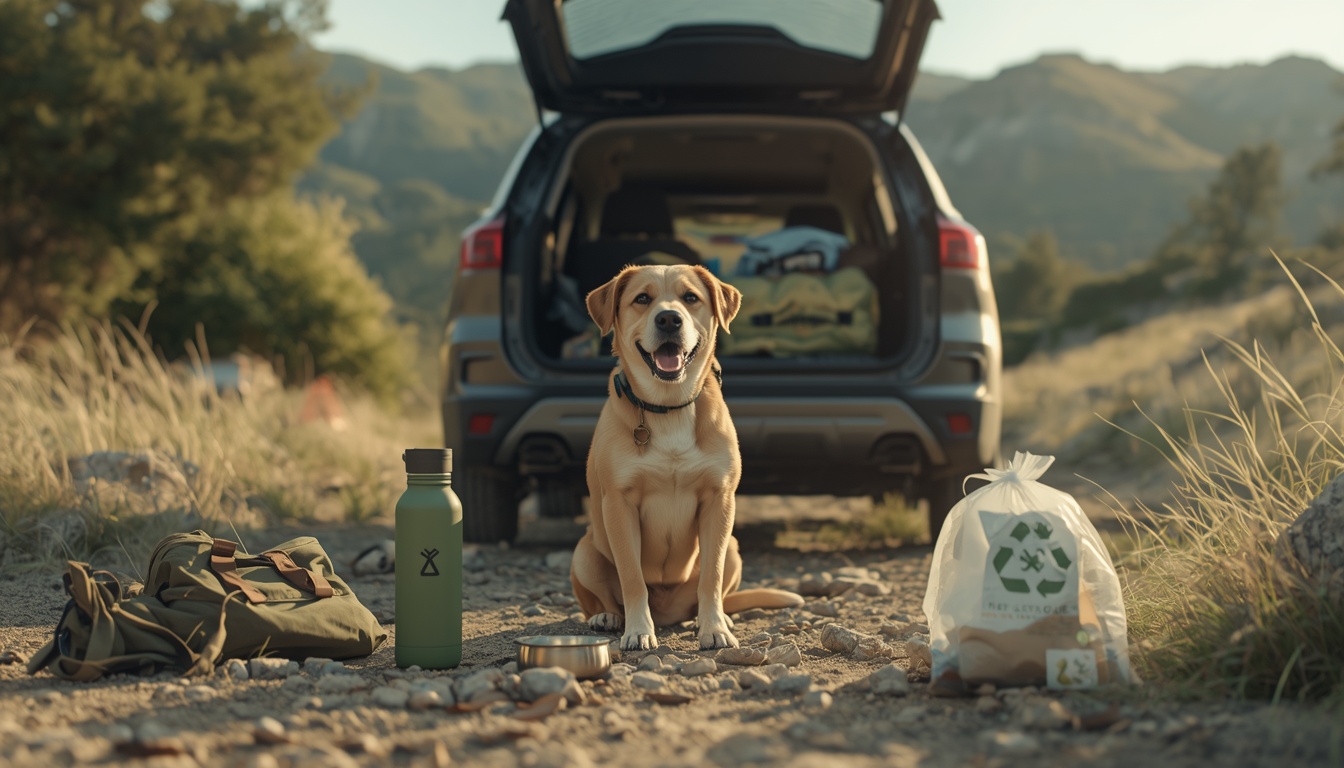
Eco-Conscious Pet Travel: Sustainable Transport, Biodegradable Waste Bags & Zero-Waste Tips
Traveling with a pet can be an enjoyable way to share new experiences, but it can also create additional waste and consumption. Food packaging, disposable accessories, plastic waste bags, single-use water containers, and unnecessary purchases can quickly add up during a trip. Choosing more sustainable alternatives does not mean making travel complicated. In many cases, small changes to transportation, packing, feeding, and waste management can significantly reduce the environmental impact of a journey.
Eco-conscious pet travel begins with a simple principle: use what you already have when it is practical, choose durable products over disposable ones, and plan ahead so that convenience does not automatically mean single-use consumption. The goal is not to make a trip completely waste-free, which may not always be realistic, but to reduce avoidable waste while keeping the animal safe and comfortable.
Choosing a More Sustainable Way to Travel
Transportation is often one of the largest environmental considerations during a trip. When possible, choosing a mode of transport that produces fewer emissions can make a meaningful difference. The best option depends on the destination, the pet’s temperament, local regulations, and the animal’s health and mobility needs.
For shorter journeys, walking can obviously be the simplest low-impact option. Cycling with an appropriate pet setup may work for some animals, but safety should always take priority over environmental considerations. A pet should never be placed in a situation where it can fall, escape, become overheated, or interfere with the cyclist’s ability to control the bicycle.
Public transportation can be another option where pets are permitted. Trains, buses, and other shared transportation may reduce the environmental impact per passenger compared with individual car travel, although rules concerning carriers, leashes, size, and animal access vary considerably. Checking the relevant transportation provider’s requirements before leaving home can prevent unnecessary complications.
For journeys that require a private vehicle, combining errands or appointments into one trip can reduce unnecessary driving. Keeping the vehicle maintained and avoiding excessive idling can also support more efficient travel.
Pack Reusable Pet Essentials
One of the easiest ways to reduce travel waste is to create a reusable pet travel kit. Instead of buying disposable products at every destination, bring familiar items that can be washed and used repeatedly.
A reusable water bottle or collapsible bowl can replace disposable plastic cups and containers. A washable food container can hold meals or treats without requiring individually packaged portions. A durable blanket or towel can serve multiple purposes, including providing a familiar resting surface, protecting a car seat, or drying the pet after outdoor activities.
The same principle applies to toys and accessories. There is rarely a need to purchase new items specifically for every trip. A few durable toys that the pet already enjoys can be more practical than several inexpensive disposable alternatives.
Reusable equipment also has another advantage: familiarity. Animals often feel more comfortable when they have recognizable objects around them, particularly in unfamiliar environments.
Choosing Waste Bags Carefully
Pet waste is unavoidable during travel, but the amount of packaging associated with it can be reduced through thoughtful choices. Biodegradable and compostable waste bags are widely marketed as environmentally friendly alternatives to conventional plastic bags, but the terminology can be confusing.
Not every product described as biodegradable will break down quickly in ordinary outdoor conditions. Some materials require specific industrial composting environments, while others may take much longer to decompose than consumers expect. Reading the manufacturer’s disposal instructions is therefore important.
Compostable bags should not automatically be placed in a household compost system or municipal organic waste collection unless the relevant service specifically accepts them. Pet waste itself can also be subject to restrictions because of pathogens and local waste-management rules.
The most environmentally responsible approach is to select a waste bag appropriate for the disposal system available at the destination and use it correctly. The bag should be strong enough to prevent leaks, because a failed bag can create additional waste and sanitation problems.
Reduce Packaging When Packing Food
Pet food can create a surprising amount of packaging waste during longer journeys. When practical, purchasing food in appropriately sized larger packages and transferring portions into a reusable container can reduce the number of individual packets used during the trip.
However, changes to a pet’s diet should not be made simply for environmental reasons while traveling. Sudden dietary changes can cause digestive problems, and familiar food may be particularly important when an animal is already adapting to a new environment.
A better approach is to maintain the pet’s normal diet while reducing unnecessary packaging around it. Reusable containers can keep food dry and organized, while measured portions can make feeding easier and prevent unnecessary waste.
Treats can be handled in the same way. Rather than purchasing individually wrapped treats during a journey, travelers can bring a reasonable amount from home in a washable container.
Bring Water From Home When Practical
Access to clean drinking water is essential during travel, especially in warm weather or during physically active outings. Carrying water in a reusable container can reduce reliance on single-use bottled water.
A larger reusable bottle or refillable container can be useful for longer drives, while a collapsible bowl allows the pet to drink comfortably during stops. Travelers should plan their water supply according to the length and conditions of the journey rather than assuming that a refill point will always be available.
Environmental goals should never override hydration. If safe drinking water is unavailable, obtaining appropriate water for the animal is more important than avoiding a disposable container.
Choose Durable Accessories
Sustainability is not only about avoiding plastic bags. The lifespan of pet equipment also matters. A durable leash, harness, carrier, travel mat, or bowl that remains functional for years can prevent repeated replacement of inexpensive products.
Before purchasing something new, consider whether an existing item can serve the same purpose. A towel already used at home may work perfectly well as a travel towel. An old blanket can become a washable car-seat cover. A sturdy food container may already be suitable for pet meals.
When a new item genuinely is needed, durability should be considered alongside material. A product made from a theoretically sustainable material is not necessarily the better environmental choice if it breaks quickly and must be replaced repeatedly.
Leave Outdoor Spaces Cleaner Than You Found Them
Eco-conscious pet travel also involves respecting the places you visit. Natural areas, parks, beaches, and trails can be particularly sensitive to waste and disturbance. Keeping pets within permitted areas, following leash requirements, and disposing of waste correctly helps protect local environments.
Avoid leaving food scraps behind, even when they appear harmless. Human and pet foods can attract wildlife, alter animal behavior, and contribute to ecological problems. Travelers should also avoid disturbing plants, wildlife habitats, or protected areas.
A simple principle is to leave the destination as clean as, or preferably cleaner than, it was when you arrived. This applies to both obvious waste and smaller items such as used tissues, food packaging, and disposable accessories.
Plan Ahead to Avoid Unnecessary Purchases
Many wasteful purchases happen because travelers are unprepared. Forgetting a water bowl can result in buying a disposable container. Running out of food can lead to unnecessary packaging. A missing towel can mean purchasing an item that was already available at home.
A short preparation routine can prevent these situations. Before leaving, consider what the pet normally uses throughout the day and identify which of those items will be needed during the journey. Packing familiar essentials in a dedicated reusable bag can make the process faster for future trips as well.
Planning also makes it easier to identify opportunities for refilling rather than replacing. If you know where water, food, or pet supplies can be obtained responsibly along the route, there is less reason to rely on emergency purchases.
Focus on Practical Sustainability
Eco-conscious pet travel should remain realistic. It is not always possible to eliminate disposable products, avoid driving, or find a perfect low-waste solution at every destination. A pet’s safety, health, comfort, and legal requirements must come first.
The most effective approach is to focus on changes that can be maintained consistently. Reusing equipment, carrying refillable water containers, selecting appropriate waste bags, reducing unnecessary packaging, and planning transportation carefully can all become normal parts of traveling with an animal.
Sustainable pet travel is ultimately about making thoughtful choices before and during the journey. By reducing unnecessary consumption while keeping essential supplies accessible, pet owners can make their adventures more environmentally responsible without sacrificing practicality. A well-prepared reusable travel kit, sensible transportation choices, responsible waste disposal, and respect for natural spaces can turn an ordinary trip into a more sustainable experience for both pets and the people who travel with them.