
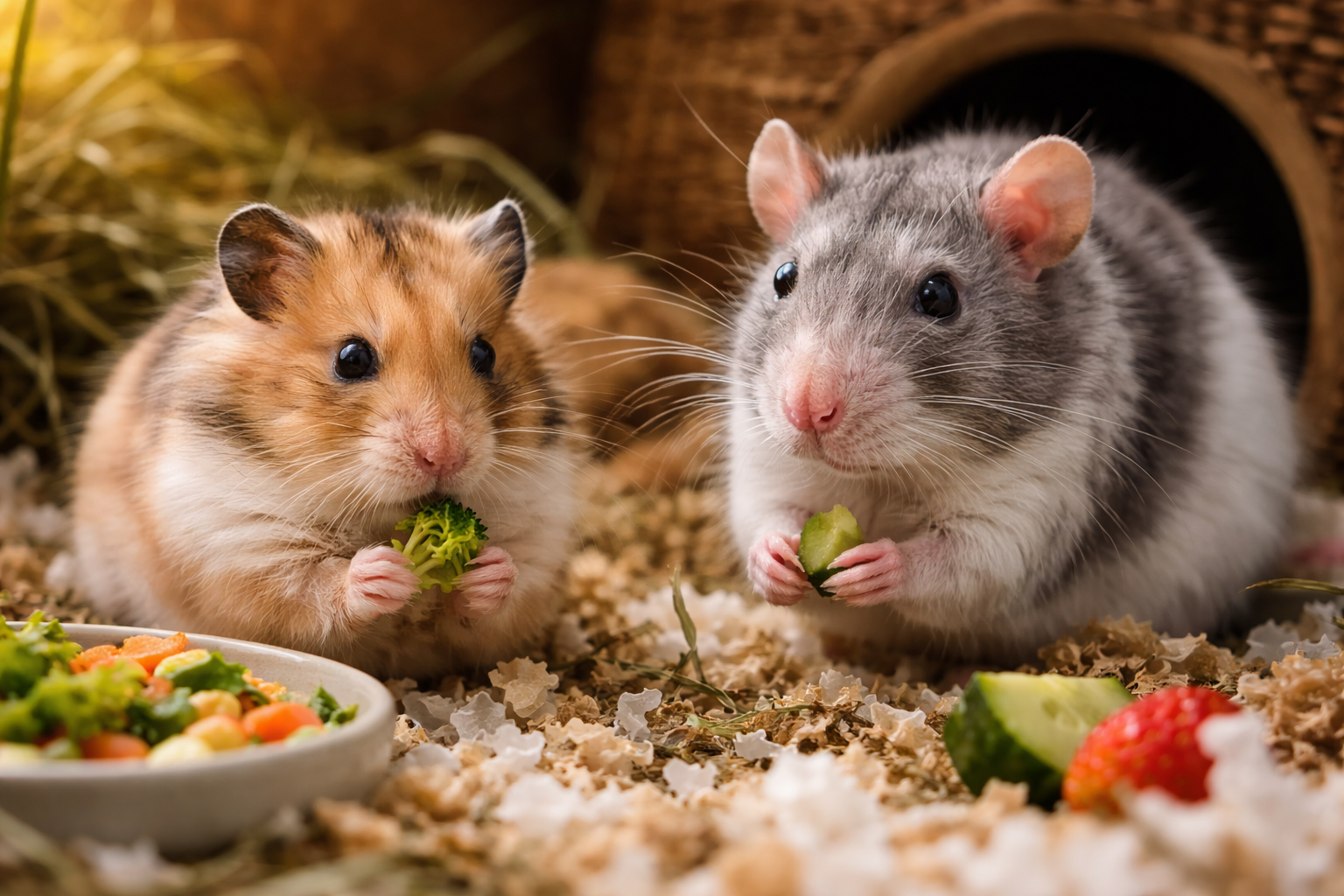
Aging in Hamsters and Rats: How to Care for Senior Small Pets with Comfort and Dignity
Small pets like hamsters and rats bring enormous joy despite their tiny size and relatively short lifespans. Because they age much faster than dogs or cats, owners often notice changes sooner than expected. Understanding the signs of aging and adapting care routines accordingly can significantly improve a senior rodent’s comfort, health, and quality of life.
While hamsters typically live between 2–3 years and rats around 2–3.5 years, signs of aging may begin appearing well before the final stage of life. Proper nutrition, habitat adjustments, and regular health monitoring become especially important during this period.
Recognizing Signs of Aging
Aging in hamsters and rats can appear gradually. Some common signs include:
- Reduced activity and increased sleeping
- Weight loss or muscle thinning
- Thinning fur or rough coat texture
- Slower movement or stiffness
- Decreased climbing ability
- Changes in appetite or drinking habits
Rats, in particular, may develop hind leg weakness as they age. Hamsters might become less interested in running wheels or climbing structures. These changes are not necessarily signs of illness, but they do require thoughtful adjustments to care routines.
Early recognition allows owners to respond proactively rather than reactively.
Nutrition for Senior Hamsters and Rats
Diet plays a critical role in maintaining strength and immune health in older rodents.
1. Balanced but Easily Digestible Food
Senior rodents may have dental issues or reduced chewing strength. Consider:
- High-quality lab blocks or pellets formulated for rodents
- Softened pellets mixed with warm water if chewing becomes difficult
- Cooked grains such as oats or brown rice in small portions
- Soft vegetables like steamed carrots or zucchini
Avoid excessive sugary treats, especially for hamsters, as they are prone to diabetes.
2. Protein Adjustments
Older rats may benefit from slightly increased high-quality protein to help maintain muscle mass. Small portions of cooked egg, plain chicken, or tofu can support strength when given occasionally and in moderation.
Hamsters generally require less supplemental protein but still benefit from varied, balanced nutrition.
3. Hydration Monitoring
Dehydration can occur quickly in aging rodents. Check water bottles daily to ensure proper function. In some cases, a shallow water dish may be easier for weakened animals, but it must be kept clean to prevent contamination.
Habitat Modifications for Comfort and Safety
As mobility declines, cage design should prioritize accessibility and safety.
Lower Levels and Reduced Climbing
Remove steep ramps and high platforms if your pet struggles to climb. Falls can cause serious injury in senior rodents. Rearrange the enclosure so that food, water, and nesting areas are easily accessible on one level.
Soft, Supportive Bedding
Provide thick, dust-free bedding that cushions joints. Paper-based bedding is often gentler than wood shavings. Avoid aromatic or dusty materials that may irritate sensitive respiratory systems.
Temperature Stability
Older rodents are more sensitive to temperature fluctuations. Keep the enclosure in a draft-free area and maintain consistent room temperature. Sudden cold exposure can be especially dangerous for elderly hamsters.
Medical Monitoring and Preventive Care
Veterinary care for small pets is sometimes overlooked, but aging rodents benefit greatly from professional guidance.
Routine Health Checks
Look for:
- Lumps or swelling (tumors are common in older rats)
- Changes in breathing patterns
- Eye or nasal discharge
- Persistent weight loss
- Overgrown teeth
Weighing your pet weekly can help detect gradual changes that are not immediately visible.
Tumors and Chronic Conditions
Rats are particularly prone to mammary tumors as they age. Early detection increases the possibility of successful treatment. Respiratory issues may also become more frequent in senior rats.
Hamsters can develop dental overgrowth or internal tumors. Subtle signs such as reduced appetite or lethargy should not be ignored.
Pain Management
Animals instinctively hide pain. Signs may include reluctance to move, hunched posture, or decreased grooming. A veterinarian experienced with exotic pets can assess whether pain relief or supportive therapy is appropriate.
Emotional and Behavioral Considerations
Senior rodents often become calmer and may seek more rest. Some may become more attached and enjoy gentle handling, while others prefer quiet and minimal disturbance.
Maintain familiar routines. Avoid unnecessary cage rearrangements or environmental stressors. Stability reduces anxiety in older animals.
If multiple rodents live together, monitor social dynamics. Occasionally, younger cage mates may overwhelm or outcompete a weaker senior animal. In such cases, separating them temporarily might be necessary.
End-of-Life Comfort and Quality of Life
Because rodents age quickly, decline can sometimes progress rapidly. Focus on comfort, warmth, easy access to food, and gentle interaction.
Quality of life should be assessed realistically. If a pet experiences persistent pain, inability to eat or drink, or severe mobility limitations, consultation with a veterinarian about humane options is the responsible course of action.
Providing a peaceful, stress-free environment in their final stage is an act of care and compassion.
A Gentle Responsibility
Caring for aging hamsters and rats requires attentiveness and adaptation. Though their lives are short, the bond formed with these intelligent, sensitive creatures is meaningful. By adjusting nutrition, habitat design, and medical monitoring, owners can ensure that senior small pets remain comfortable and supported throughout their later years.
With thoughtful care, even the smallest companions can experience dignity, safety, and warmth as they grow old.